Why Regular Roofing Maintenance Starts With an Inspection
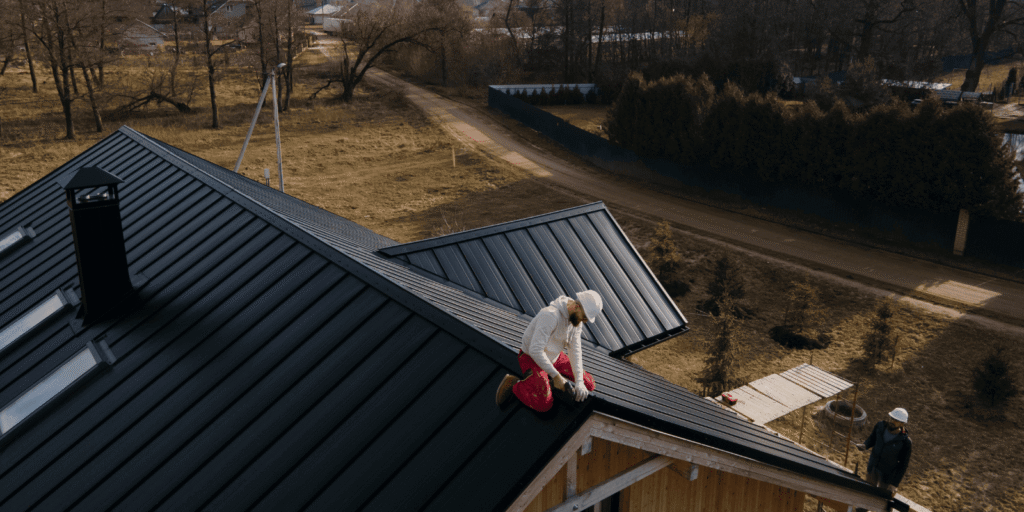
Regular roofing maintenance starts with an inspection because you need to know the roof’s current condition before deciding what should be cleaned, repaired, monitored, or documented. Without a clear inspection, homeowners may focus on visible areas while missing early signs of wear around shingles, flashing, roof edges, vents, or attic spaces.
A roof can look fine from the ground and still have small issues that affect long-term performance. Regular roofing maintenance works best when every step is based on actual findings, not assumptions about age, weather exposure, or appearance.
Table of Contents
Why Regular Roofing Maintenance Needs a Professional Roof Inspection
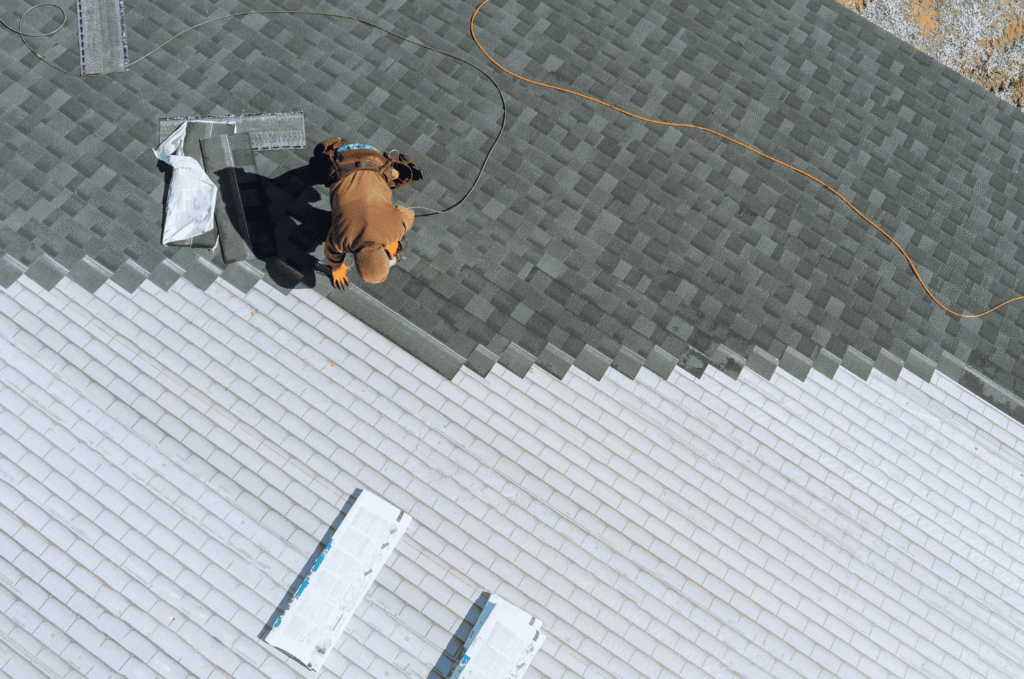
Regular roofing maintenance should begin with a professional roof inspection because the inspection creates a clear starting point. It helps homeowners understand what is normal wear, what needs attention, and what should be watched during future seasonal checks.
Inspection Creates a Roof Condition Baseline
A baseline helps show what the roof looked like before new weather exposure, repairs, or seasonal changes. It can include photos, notes about roofing materials, visible wear, drainage concerns, flashing condition, and attic observations.
A professional roof inspection service can review the full roofing system and explain which areas may need maintenance. This gives regular roofing maintenance a more organized direction.
Maintenance Without Inspection Can Miss Problems
Cleaning gutters or checking visible shingles may help, but those steps do not always reveal hidden concerns. Moisture, weak flashing, lifted shingles, and attic ventilation issues may stay unnoticed without a closer review.
The Boston inspection guide explains how different roof areas are reviewed during an inspection. That process helps homeowners understand why maintenance should start with a complete look at the roof.
What a Boston Roof Inspection Should Review During Maintenance
A Boston roof inspection should review the parts of the roof most likely to affect performance over time. This includes roofing materials, flashing, drainage paths, penetrations, attic clues, and visible signs of previous repairs.
Roofing Materials, Flashing, and Roof Edges
The inspector should check for cracked, curled, missing, loose, or worn roofing materials. Flashing around chimneys, vents, skylights, walls, and valleys should also be reviewed because these areas often manage heavy water flow.
For asphalt roofs, asphalt roof care may include reviewing granule loss, lifted tabs, exposed fasteners, and damaged shingle sections. These findings can shape the next regular roofing maintenance steps.
Drainage, Gutters, and Roof Penetrations
Drainage is an important part of roof maintenance because water should move away from the roof without backing up near edges or valleys. Gutters, downspouts, vents, pipe boots, skylights, and chimneys should all be checked together.
A Boston roof inspection can show whether water is flowing correctly or collecting near vulnerable areas. This matters because drainage problems can slowly affect shingles, flashing, fascia, and lower roof sections.
Residential Roof Inspection Findings That Guide Maintenance
A residential roof inspection should not only identify problems. It should also help homeowners understand which maintenance tasks are useful now and which areas should be monitored over time.
Small Issues Can Become Larger Repairs
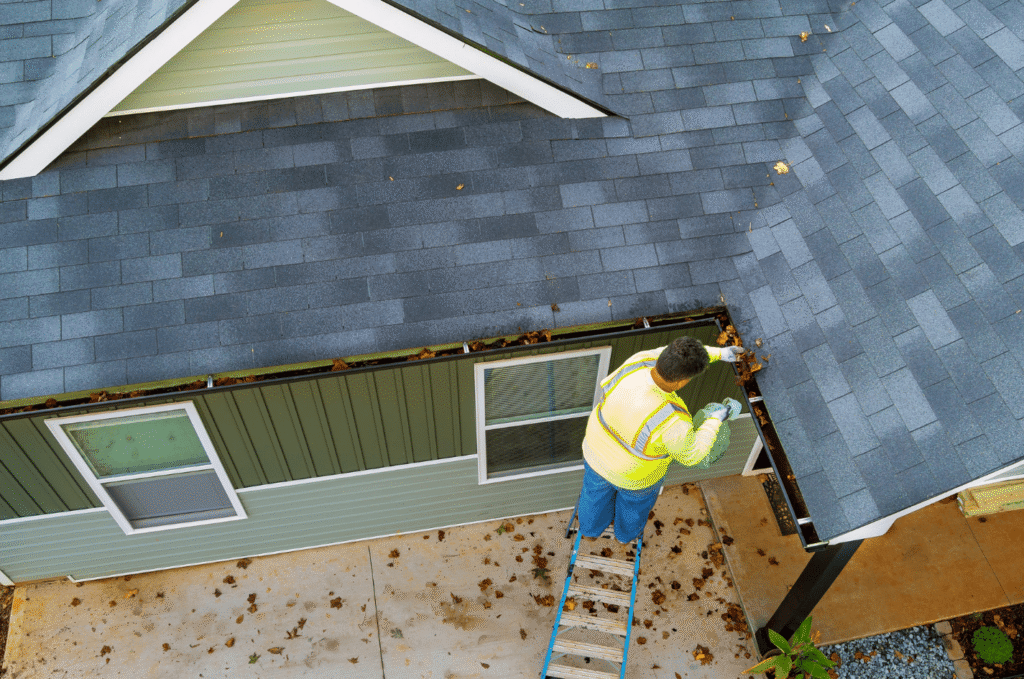
Small roof concerns often start around weak seals, loose materials, exposed fasteners, or worn transition points. When these signs are found early, maintenance can be more focused and easier to plan.
If the inspection finds active damage, a roof repair review can help determine whether the issue is isolated or connected to a wider roof condition. Regular roofing maintenance should always respond to what the inspection actually finds.
Different Roof Types Need Different Care
Not every roof needs the same maintenance approach. Asphalt shingles, slate, flat roofs, and rubber roofing systems each show wear in different ways and require different inspection priorities.
Homes with low-slope areas may need a closer flat roof review because standing water, membrane seams, and drainage points can affect maintenance planning. The roof type should always shape the checklist.
Seasonal Roof Maintenance and the Roof Maintenance Checklist
Seasonal roof maintenance helps homeowners stay ahead of changes caused by rain, wind, heat, falling leaves, snow, and freeze-thaw conditions. A roof maintenance checklist keeps the process organized and makes it easier to compare findings over time.
What to Check During Seasonal Maintenance
A useful checklist may include shingles, flashing, valleys, gutters, downspouts, vents, skylights, chimney areas, roof edges, attic moisture, and interior ceiling marks. Each item should be reviewed for visible change since the previous inspection.
The inspection warning signs article explains what homeowners should watch for before scheduling a closer review. These warning signs can help shape seasonal roof maintenance priorities.
How Inspection Notes Support Future Maintenance
Inspection notes help homeowners see whether an issue is new, repeated, or getting worse. Photos and written findings make it easier to compare the roof after storms, seasonal changes, or previous repair work.
The homebuyer inspection guide also shows why clear roof documentation matters when evaluating a property. The same idea applies to long-term maintenance because accurate records make future decisions easier.
Turning Findings Into Boston Roofing Maintenance Next Steps
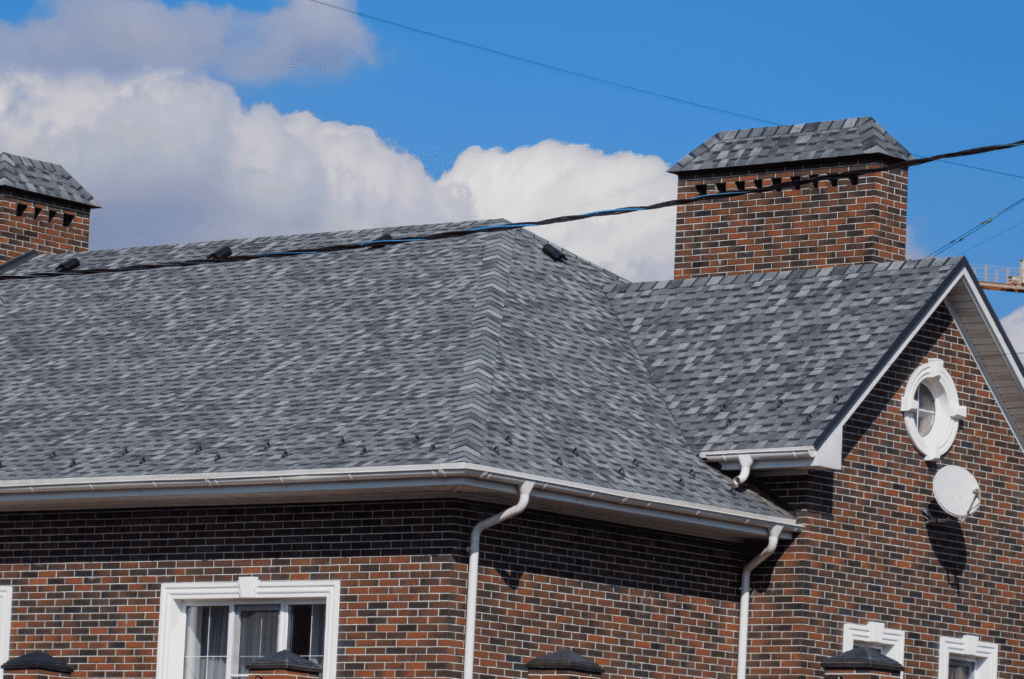
Boston roofing maintenance should be based on clear findings from the inspection, not a general list of tasks. Once the roof has been reviewed, homeowners can separate urgent concerns, routine maintenance, and items that need monitoring.
Build a Practical Roof Maintenance Checklist
A roof maintenance checklist should include the roof areas that apply to the specific home. It should not be copied blindly from another property because roof slope, material, age, trees, drainage, and previous repairs can all change the priorities.
Regular roofing maintenance becomes more useful when the checklist is updated after each inspection. This keeps the plan connected to the actual condition of the roof.
Choose Local Roofing Guidance
Boston homes may have different roof materials, additions, chimneys, skylights, valleys, and drainage layouts. Local roofing guidance can help connect these details with seasonal conditions and visible inspection findings.
Boston Roof Repair Specialist helps homeowners understand roof condition, maintenance needs, and next steps based on professional inspection findings.
Schedule a Professional Roof Inspection
Regular roofing maintenance is easier to manage when the roof is inspected before small concerns become harder to trace. A professional inspection can show what needs attention now and what should be monitored during future seasonal checks.
To plan your next inspection, contact our team and request guidance for regular roofing maintenance based on your home’s roof condition.