Roof Inspection in Boston After Heavy Rain or Strong Winds

A roof inspection after heavy rain or strong winds can reveal damage that is not visible from inside a Boston home. Storms may loosen shingles, disturb flashing, expose roof edges, or allow water to enter through small openings that were previously sealed.
Some problems appear immediately as stains or dripping, while others develop beneath the roofing materials. A professional roof inspection connects exterior damage, attic moisture, and interior warning signs so homeowners can understand what changed during the storm and what needs further attention.
Table of Contents
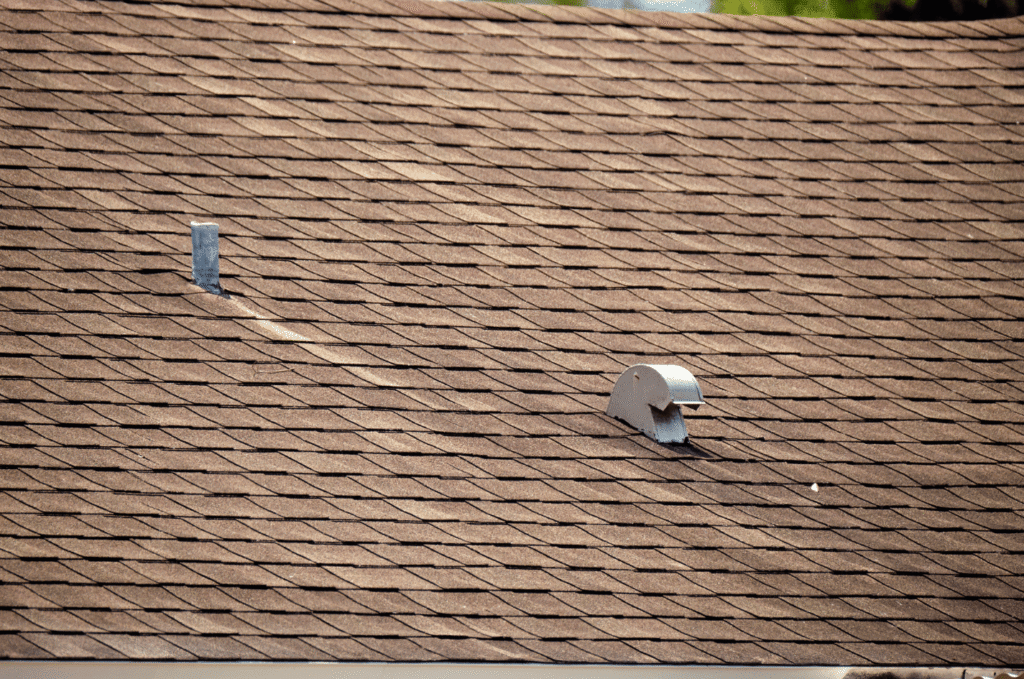
Why a Roof Inspection After Heavy Rain Matters in Boston
A roof inspection after heavy rain helps determine whether water moved through damaged materials, weak seams, or vulnerable roof transitions. Even when the interior remains dry, the storm may have affected shingles, flashing, drainage areas, or roof penetrations.
Heavy Rain Can Reveal Existing Weak Areas
Rain does not always create a new roofing problem. It can expose an opening that already existed around a vent, chimney, skylight, valley, or roof edge.
A professional roof inspection service can compare these areas with any moisture found inside the attic or living space. This wider review helps identify whether the issue is isolated or connected to another roof component.
Water May Travel Before It Becomes Visible
Water can move along roof decking, rafters, insulation, or wall cavities before a stain appears. Because of this, the location of an interior mark may not show the exact point where rain entered.
The Boston inspection guide explains how exterior and interior findings are reviewed together. This process helps homeowners understand why a complete Boston roof inspection is more useful than focusing only on the visible stain.
Signs of Roof Storm Damage Around the Exterior
Signs of roof storm damage may appear as missing shingles, raised edges, damaged flashing, exposed fasteners, or debris around the roofline. Some changes are easy to notice, while others require a closer review of the surrounding materials.
Missing, Lifted, or Cracked Shingles
Strong rain and wind can loosen shingles or expose weak areas around fasteners. A shingle may remain in place but lift enough to allow moisture beneath the surface.
When an asphalt roof shows visible changes, an asphalt shingle review can help determine whether the damage affects one section or a wider area. Nearby shingles should also be examined for similar wear or movement.
Damaged Flashing and Roof Transitions
Flashing protects areas where the roof meets chimneys, walls, vents, skylights, and other penetrations. Separation, rust, bending, or gaps can create a path for stormwater.
On homes with slate roofing, broken or displaced pieces may require a slate roof review because the damage pattern differs from asphalt shingles. The inspection should consider both the visible material and the flashing around it.
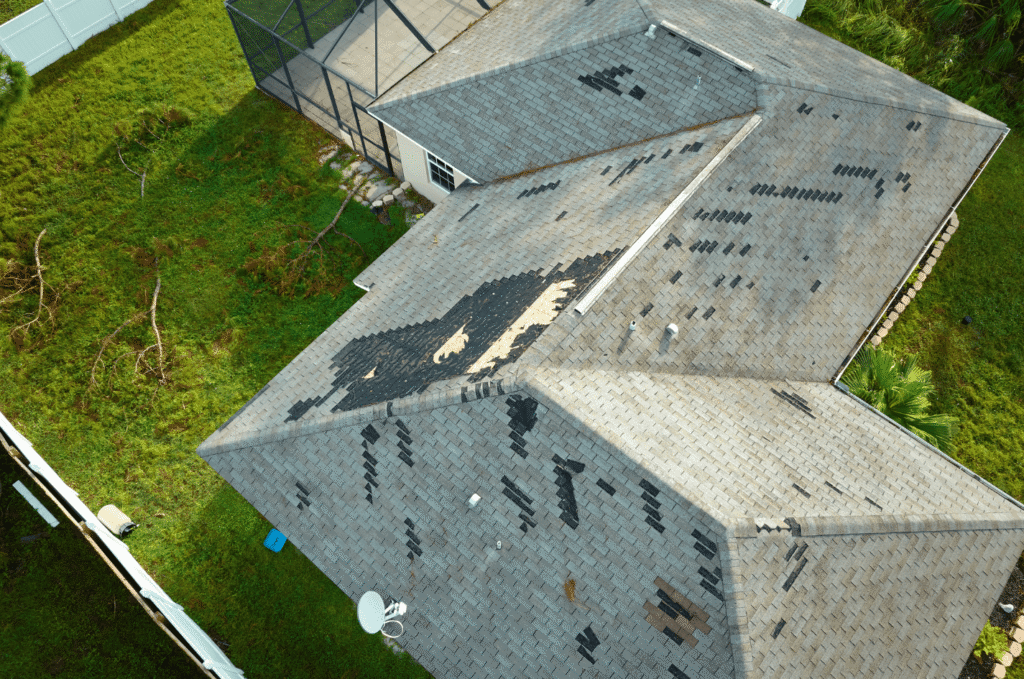
What a Wind Damage Roof Inspection Should Review
A wind damage roof inspection should examine more than missing roofing materials. Wind pressure can affect shingle edges, ridge areas, flashing, vents, gutters, and previous repair points without removing the material completely.
Shingle Edges, Ridges, and Fasteners
Wind can lift the lower edge of a shingle and weaken the seal beneath it. The shingle may settle back into place afterward, making the change difficult to identify from the ground.
A roof inspection should review lifted tabs, creases, exposed fasteners, and disturbed ridge materials. These signs can indicate that the roof experienced movement even when no large section is missing.
Gutters, Roof Edges, and Nearby Debris
Gutters may collect granules or small roofing fragments after strong winds. Bent edges, loose gutter sections, or debris lodged near drainage areas can also show where the storm affected the roofline.
When several connected areas show damage, a broader roof repair service may be needed to trace the cause and define the affected section. Inspection findings should guide the next step rather than assumptions based on one visible symptom.
Roof Leak Inspection Boston Homes May Need After Storms
A roof leak inspection Boston homeowners request after a storm should examine both the exterior entry points and the interior path of moisture. Ceiling stains, damp insulation, peeling paint, and musty odors may appear after the rain ends.
Ceiling Stains and Attic Moisture
New marks on ceilings or upper walls can indicate that water entered during the storm. Damp insulation, darkened decking, or moisture around roof fasteners may provide additional clues inside the attic.
The future inspection warning signs article will explain how recurring stains, attic dampness, and exterior changes can signal the need for a professional review. These signs should be considered together because one symptom may not reveal the full source.
Leaks Near Valleys, Vents, and Skylights
Roof valleys carry concentrated water during heavy rain. Vents, skylights, chimneys, and wall connections also depend on properly installed and sealed flashing.
A roof inspection after heavy rain should compare the interior moisture location with the roof features above it. This helps determine whether the leak is related to a penetration, drainage path, damaged material, or another nearby weakness.

Planning a Storm Damage Roof Inspection in Boston
A storm damage roof inspection in Boston should be arranged when new damage signs appear after heavy rain or strong winds. Clear records of when the symptoms started and which areas were affected can help the inspector understand the storm’s impact.
Review the Roof as a Complete System
The inspection should connect roofing materials, flashing, valleys, vents, roof edges, gutters, attic conditions, and interior stains. Looking at only one component may overlook the path water followed or the reason a material moved.
The future homebuyer inspection guide will explain how roof condition is reviewed before purchasing a Boston home. Many of the same inspection principles also help current homeowners understand storm-related findings.
Choose Local Roofing Guidance
Boston homes may have different roof slopes, materials, additions, chimneys, skylights, and drainage layouts. Local experience helps explain how storm exposure may affect each property differently.
Boston Roof Repair Specialist provides roof inspection and repair guidance for homeowners who need a clearer understanding of storm-related concerns and visible roof damage.
Request a Professional Roof Inspection
Storm damage can be difficult to judge from one visible sign. A professional roof inspection can connect exterior changes, attic moisture, and interior symptoms before the affected area becomes more difficult to trace.
After heavy rain or strong winds, contact our team to request a Boston roof inspection and receive clear guidance based on the condition of your roofing system.