Roof Inspection Warning Signs Boston Homeowners Should Know

Roof inspection warning signs often appear before a serious leak develops, so noticing them early can help Boston homeowners understand when the roof needs closer attention. Missing shingles, ceiling stains, damaged flashing, uneven roof areas, and attic moisture can all point to a condition that should be professionally evaluated.
Some signs are visible on the roof, while others appear inside the attic or living space. A complete inspection connects these clues and helps determine whether the concern is isolated or related to a larger weakness in the roofing system. Understanding the pattern of the signs is often more useful than focusing on one symptom alone.
Table of Contents
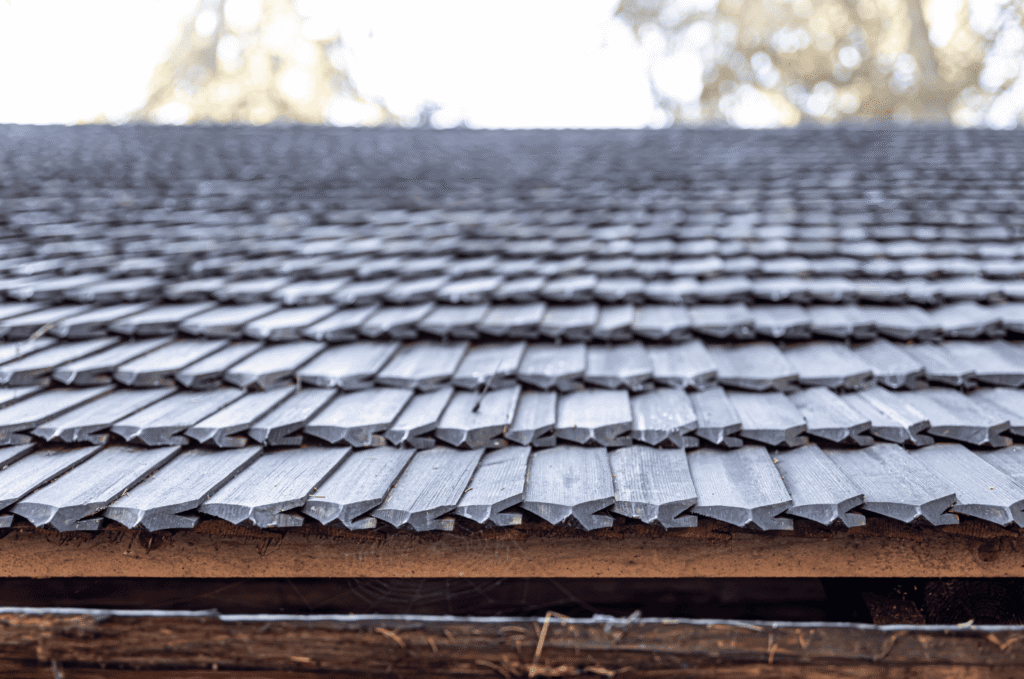
Signs You Need a Roof Inspection in Boston
Signs you need a roof inspection may begin as small changes around the roofline, attic, or upper rooms. Recognizing these early roof inspection warning signs can provide a clearer picture of the roof before additional materials are affected. A Boston roof inspection may be appropriate even when no active water entry is visible.
Small Changes Can Indicate Hidden Damage
One lifted shingle or a worn seal around a vent may seem minor, but it can create an opening where moisture enters. The visible symptom may remain limited even when water has moved beneath the surface.
A professional roof inspection service can evaluate nearby materials, flashing, penetrations, and roof edges to determine whether the concern extends beyond one area. This broader review helps connect surface changes with the components below them.
Repeated Symptoms Need Closer Review
A stain that returns after rain, granules collecting near a downspout, or recurring dampness in an upper room should not be viewed separately. Repeated symptoms often provide useful clues about where the roofing system may be vulnerable.
The Boston inspection guide explains the primary roof components reviewed during a thorough inspection. It can also help homeowners understand why exterior and interior findings need to be considered together.
Roof Damage Signs Seen on the Exterior
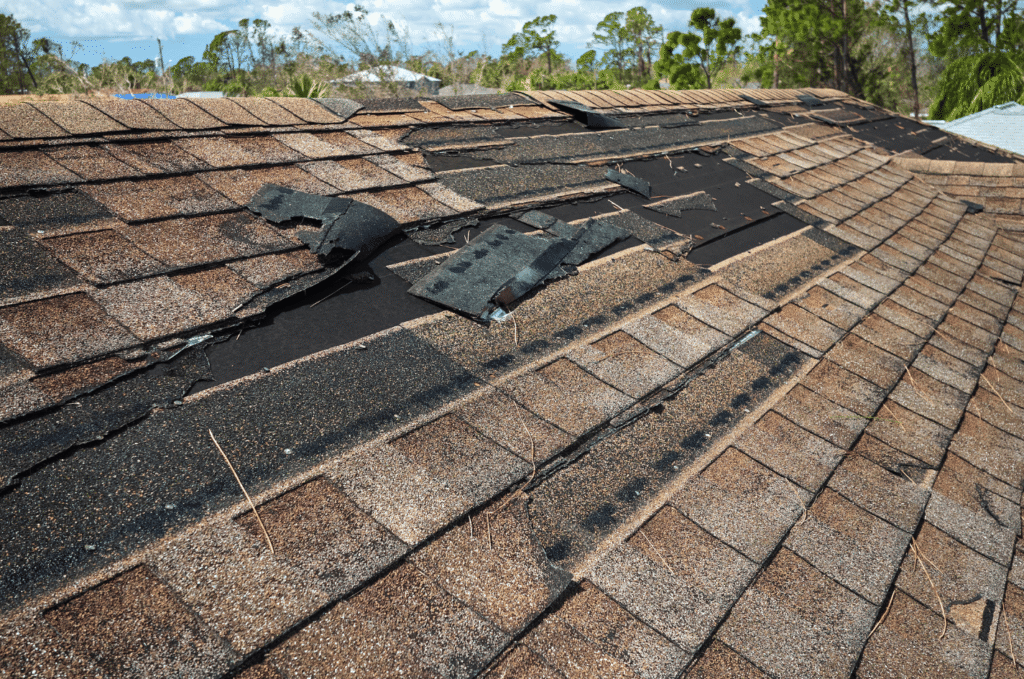
Roof damage signs are often the first visible reason to arrange an inspection. Changes in shingles, flashing, rooflines, and drainage areas can show where weather exposure or material wear has begun to affect the roof. Gutters and roof edges may also reveal granule loss, loose materials, or water movement problems.
Missing, Cracked, or Lifted Shingles
Shingles should lie flat and create a consistent protective surface. Missing pieces, cracked tabs, curled edges, exposed fasteners, or raised sections may leave the underlying layers more vulnerable to moisture.
For asphalt systems, an asphalt roof assessment can help determine whether the problem affects one shingle or a broader section of the roof. The surrounding shingles should also be reviewed for similar wear.
Damaged Flashing and Uneven Roof Areas
Flashing directs water away from chimneys, vents, skylights, walls, and roof transitions. Rust, separation, bending, or gaps around these areas can increase the chance of water reaching the materials below.
A dipped or wavy roofline, dark patches, and soft-looking areas may also need investigation. A wider roof repair review can clarify whether the visible change is connected to decking, drainage, or another roofing component.
Roof Leak Warning Signs Inside the Home
Roof leak warning signs are not limited to active dripping. Ceiling stains, peeling paint, damp surfaces, and musty odors can indicate that moisture has entered or is collecting within the roofing system. Water may travel before it appears, so the visible mark may be some distance from the actual opening.
Ceiling Stains and Peeling Finishes
Brown or yellow marks on ceilings and upper walls are common roof inspection warning signs. Their position may not match the exact opening above because water can move across decking, rafters, or insulation before becoming visible.
Paint that bubbles, cracks, or peels near a ceiling may suggest recurring moisture. A home roof inspection should compare the indoor symptom with the roof slope, flashing, and penetrations above it.
Moisture After Rain or Strong Wind
Interior dampness that develops after severe weather may show that an existing weak area has become more exposed. Wind can disturb roofing materials, while rain can reveal openings around seams or transitions.
The future post-storm inspection article will explain how heavy rain or wind can produce roof leak warning signs that were not previously visible. Tracking when the symptom appears can give the inspector useful context.
Poor Attic Ventilation During a Home Roof Inspection
Poor attic ventilation can create conditions that resemble or worsen roofing problems. During a home roof inspection, attic moisture, limited airflow, and changes to insulation should be considered alongside the exterior roof findings. Intake and exhaust areas should work together so heat and moisture can leave the attic space.
Condensation Beneath the Roof Deck
Condensation may form when warm, moist indoor air reaches a colder attic surface. Water marks, damp decking, or moisture around fasteners can appear even when there is no clear opening in the exterior roofing material.
A Boston roof inspection can help distinguish between moisture entering from outside and moisture developing within the attic. Identifying the source is important because each condition affects the roofing system differently.
Damp Insulation, Odors, and Limited Airflow
Insulation that looks wet, flattened, or discolored may show where moisture has collected. Musty odors, mold-like growth, or unusually warm attic conditions may also point to poor attic ventilation.
The future homebuyer inspection guide will explain why attic conditions and exterior roof findings should be reviewed together before purchasing a home. These observations can provide useful context for the overall condition of the property.
Using a Boston Roof Inspection Checklist
A Boston roof inspection checklist helps organize visible concerns without treating every material change as equally serious. It should connect exterior roof damage signs, interior moisture, attic conditions, and recent weather exposure. The checklist supports the inspection process, while the final findings explain what the signs may mean for the roof.
Record Signs and Review the Findings
Note where each sign appears and whether it changes after rain or wind. Details about the nearest roof slope, chimney, skylight, vent, or roof edge can help the inspector compare interior symptoms with possible exterior sources.
The inspection findings should explain what was observed, where it was found, and whether further attention is recommended. Photos and clear descriptions can help homeowners understand how separate roof inspection warning signs may be related.
Choose Local Roofing Guidance
Boston homes can have different roof slopes, materials, additions, chimneys, skylights, and drainage layouts. Local experience helps connect the warning signs with the design and condition of the individual property.
Boston Roof Repair Specialist provides inspection and roofing guidance for homeowners who need a clearer understanding of visible concerns and the overall condition of their roofing system.
Schedule a Professional Roof Inspection
Roof inspection warning signs are easier to address when their source is identified before the affected area expands. A professional review can connect exterior, interior, and attic clues and explain the most appropriate next step.
To have your roof evaluated, contact our team and request a Boston roof inspection based on the warning signs you have noticed.