Boston Roof Inspection Before Buying a Home: What to Know
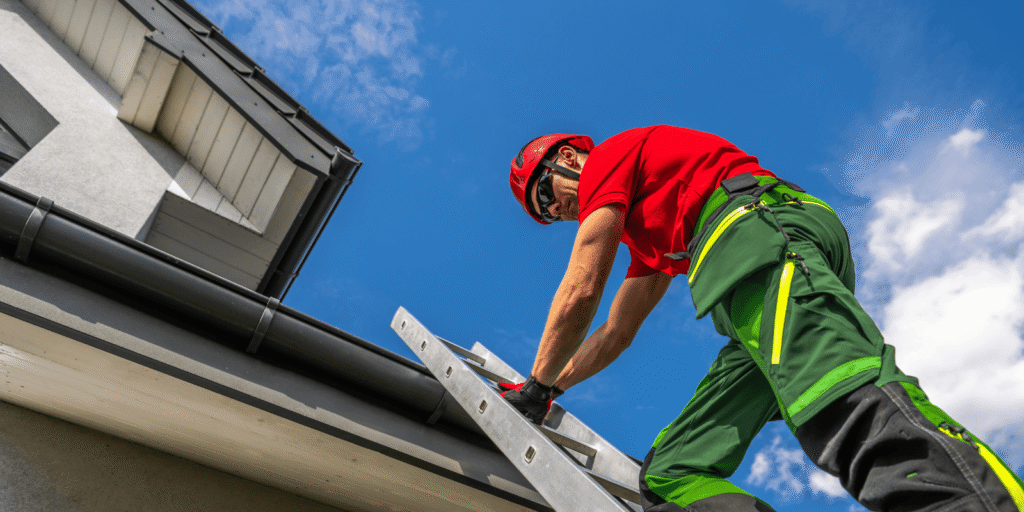
A Boston roof inspection before buying a home helps you understand the roof’s condition, identify hidden concerns, and make a more informed purchase decision. A property may look well maintained from the street while still having worn shingles, weak flashing, drainage issues, or moisture entering through a small opening.
A general home review can provide useful information, but the roof often needs closer attention from someone who understands roofing systems. A detailed inspection can show which areas are performing well, which concerns need attention, and what should be discussed before the purchase moves forward.
Table of Contents

Why a Boston Roof Inspection Matters Before Buying a House
A roof inspection before buying a house gives buyers a clearer view of one of the home’s most important protective systems. It also helps separate normal surface wear from damage that may affect the roof’s ability to keep water out.
Hidden Problems May Not Be Visible
Many roofing concerns are difficult to judge from the ground. A roof may appear even and complete while lifted shingles, worn sealant, deteriorated flashing, or weak roof edges remain out of sight.
A professional roof inspection service can review the roof surface and important transition areas more closely. This creates a more complete picture than relying only on exterior appearance.
Roof Condition Can Influence Your Decision
Inspection findings can help buyers understand whether the roof appears stable, needs targeted attention, or requires further evaluation.
A clear Boston roof inspection can also help buyers prepare better questions for the seller, real estate agent, or roofing professional. This makes the decision process more organized and less dependent on assumptions.
What Professional Roof Inspection Services Should Cover
Professional roof inspection services should evaluate more than the visible roofing material. A complete review considers how shingles or membranes, flashing, roof edges, drainage, penetrations, and interior clues work together.
Roofing Materials and Surface Condition
The inspector should check for cracked, curled, loose, missing, or worn roofing materials. On shingle roofs, uneven areas and granule loss may provide additional clues about exposure and general condition.
When a property has an asphalt roof, understanding common shingle roof damage can help buyers read the findings more clearly. The condition of the surrounding shingles matters as much as one isolated damaged section.
Flashing, Valleys, Vents, and Drainage
Flashing around chimneys, vents, skylights, walls, and roof transitions helps direct water away from vulnerable openings. Valleys and roof edges also require attention because water naturally moves through these areas.
A Boston roof inspection should review gutters, downspouts, visible drainage paths, and signs of water backing up near the roofline. If the home has a low-slope system, the inspector may also note conditions related to flat roof repair.
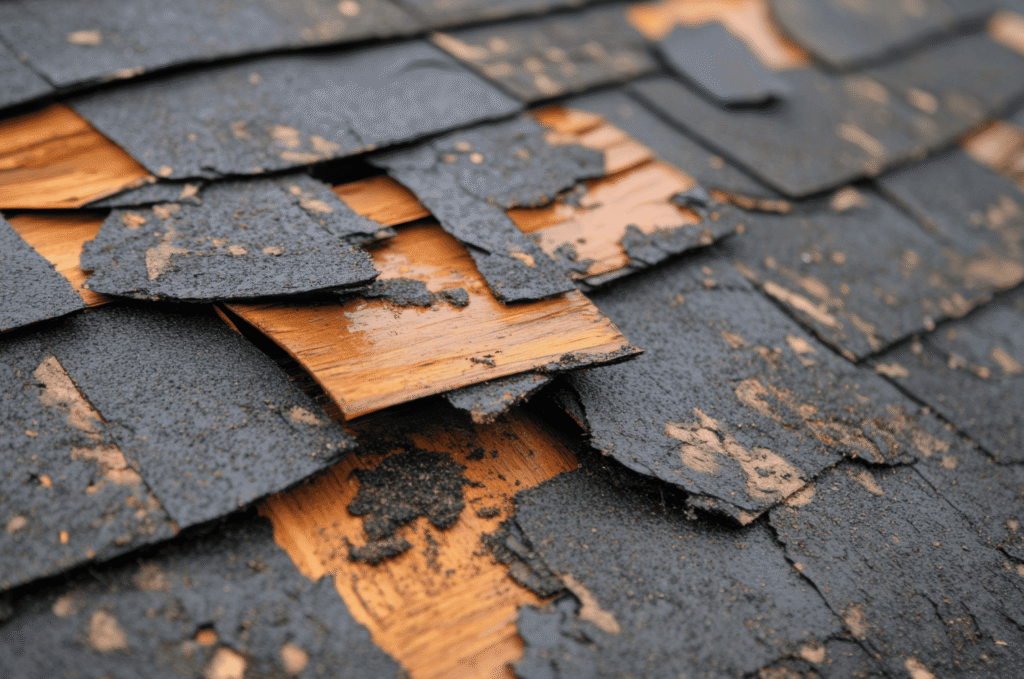
Roof Damage Signs Found During a Residential Roof Inspection
A residential roof inspection may uncover roof damage signs that are easy to miss during a short property visit. Some appear on the roof surface, while others show inside the attic or living areas.
Exterior Signs of Wear or Weakness
Common exterior concerns include missing materials, lifted edges, exposed fasteners, damaged flashing, separated seams, and worn areas around roof penetrations. Dark patches or uneven sections may also require closer evaluation.
The presence of damage does not automatically explain its full cause. A broader roof repair assessment may be needed to determine whether the issue is limited to one area or connected to a larger roofing problem.
Interior Moisture and Structural Clues
Inside the home, staining, peeling paint, damp insulation, musty odors, or marks near ceilings and walls may point to previous or active moisture movement. The location of a stain does not always match the exact entry point on the roof.
Sagging areas, softened decking, or visible daylight in an attic can require additional attention. Buyers can learn more about the wider process in the Boston inspection guide.
What a Pre-Purchase Roof Inspection Report Should Explain
A pre-purchase roof inspection should produce information that is easy for the buyer to understand. A useful report should identify observed conditions, show where concerns are located, and explain which findings need further action.
Current Roof Condition and Key Findings
The report should describe the roofing material, visible condition, major components reviewed, and any areas that could not be fully accessed. Photos can help buyers connect written findings with specific roof sections.
It should also distinguish between routine wear, maintenance concerns, active damage, and areas that may need professional repair. This helps prevent every observation from being treated as equally urgent.
Questions to Ask After Reading the Report
Buyers should understand whether a finding is isolated, recurring, or connected to another roof component. They should also ask whether previous repairs are visible and whether those repairs appear consistent with the surrounding roofing system.
The future article inspection warning signs will provide more context on the conditions that may justify additional evaluation. This can be useful when the report includes early warning signs without an active leak.

How to Plan a Home Roof Inspection Before Closing
A home roof inspection should be arranged early enough for the findings to be reviewed before the purchase is finalized. Leaving the roof until the final stage can reduce the time available to understand the report or request further clarification.
Schedule the Inspection at the Right Stage
The best timing usually allows the buyer to receive the report, ask questions, and decide whether another roofing review is needed. The inspector should also know about visible ceiling marks, prior roof work, or concerns noted during the general home inspection.
The future roofing maintenance guide will explain how inspection findings can support a longer-term care plan after the buyer takes ownership. This helps connect the current report with future roof maintenance needs.
Review Findings With Clear Next Steps
A strong report should help the buyer separate immediate concerns from items that can be monitored over time. When repair is recommended, the next step should focus on understanding the cause, affected components, and appropriate scope of work.
This is where a professional Boston roof inspection can add real value. Clear findings give buyers a practical basis for discussions rather than relying on a quick visual impression.
Choose Local Roofing Guidance Before You Buy
Boston homes may include different roof ages, materials, additions, chimneys, skylights, and drainage layouts. Local roofing experience can help connect these details and explain how they affect the property as a complete system.
Near the end of the buying process, Boston Roof Repair Specialist can help buyers understand roof condition through careful inspection and straightforward guidance. More information is available on the company homepage.
Request a Boston Roof Inspection
Buying a home is easier when the roof is not an unanswered question. A pre-purchase roof inspection can provide the details needed to review the property with greater confidence and plan the next steps clearly.
Before closing, contact our team to request a Boston roof inspection and receive professional guidance based on the home’s visible roofing condition.