Small Roof Issues Repair in Boston That Become Bigger Problems
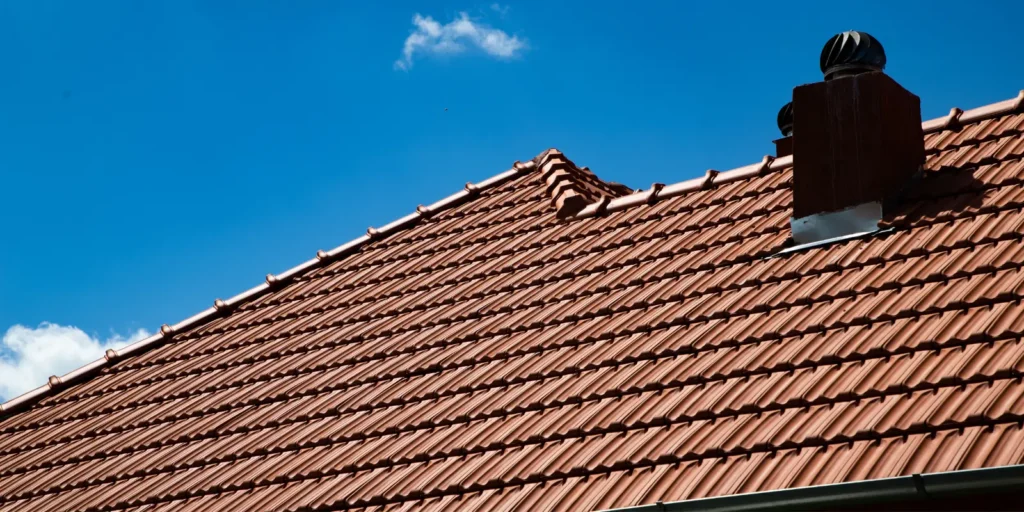
Small roof issues like a lifted shingle, worn flashing, or a clogged gutter rarely stay small in Boston. Water exploits any gap, travels along beams, and quietly damages the decking, insulation, and framing. A $200 roof repair today can prevent thousands in damage later. Schedule a roof inspection and fix small issues early to protect your home.
Small roof issues are easy to ignore. A shingle lifts after a windy day. A bit of flashing looks slightly off. There’s no active leak, so you tell yourself it can wait. In Boston, that’s a costly mistake.
Table of Contents

Can Small Roof Issues Turn Into Big Problems?
Yes, small roof issues can turn into major problems when they are ignored. Minor wear, loose shingles, and drainage issues worsen over time, leading to damage that affects the whole roofing system and often the home’s interior. Catching these problems early with a roof inspection keeps repairs simple and affordable.
Most early problems hide where you can’t see them: beneath shingles, around flashing, and near the roof edges. Because these spots are hard to inspect from the ground, the damage often grows unnoticed until it shows up as a ceiling stain. By then, the materials underneath may need replacing, not just repairing.
Missing or Lifted Shingles
A single missing or loose shingle may not look alarming, but it creates a direct path for water. Once moisture slips beneath the surface, it soaks into the underlayment, decking, and insulation below. Over time, trapped moisture rots the wood, feeds mold, and weakens your roof’s structure.
In Boston, nor’easter winds can lift or tear shingles in a single storm. Replacing a few worn shingles promptly is always cheaper than waiting for a full roof replacement. If you spot curling, cracking, or missing granules, it’s time for roof repair.
Why Is Damaged Flashing So Dangerous?
Damaged flashing is dangerous because it seals the most vulnerable parts of your roof, the joints around chimneys, vents, and skylights. When flashing cracks, rusts, or pulls away even slightly, water sneaks in during heavy or wind-driven rain. These leaks often appear long after the flashing first failed.
Failed flashing frequently causes leaks inside walls rather than ceilings, which means wood rot can hide for a long time before you notice it. Flashing is one of the most common sources of roof leaks, so it deserves close attention during every roof inspection. The good news is that minor flashing problems can often be repaired without replacing the whole section.
How Do Clogged Gutters Damage a Roof?
Clogged gutters damage a roof by forcing water to back up and spill over the edge. That overflow seeps under the lower row of shingles, soaking the roof deck and causing rot or mold. In winter, clogged gutters also feed ice dams, which lift shingles and push water inside.
Gutters play a bigger role in roof repair than most people realize. Cleaning them twice a year, in spring and fall, protects not just your roof but also your siding, foundation, and landscaping. In Boston, fall cleaning is especially important before snow and ice arrive.
Worn Vent Boots and Skylight Seals
Roof vents and skylights are common entry points for water when their seals fail. The rubber flange around a vent pipe is a frequent weak spot. After years of sun and weather, the rubber cracks and loses its seal, letting water seep in during heavy rain.
These small parts are easy to overlook, but a cracked vent boot can leak just as badly as a missing shingle. Inspect vents and skylights regularly for cracks, gaps, or worn seals, and replace damaged components quickly. It’s a small fix that prevents a big headache.

A Small Stain or Slow Drip
A faint water stain on the ceiling or a slow drip during storms often gets dismissed as no big deal. In reality, a visible leak is usually the final stage of a much larger hidden problem. Water can travel along rafters and beams before it ever shows up indoors.
By the time you see the stain, moisture may have already damaged the framing, drywall, and insulation. A leak you can see is never as small as it looks, so treat any stain as a signal to call for slate roof repair right away.
How Much Money Do Early Repairs Save?
Early repairs save a lot of money. Fixing a small roof issue often costs a few hundred dollars, while ignoring it can lead to repairs of $5,000 to $15,000 once water reaches the decking, insulation, and interior. Replacing a few shingles or resealing flashing is simple. Rebuilding rotted framing is not.
The math is clear. Every extra rain or freeze gives moisture another chance to spread. Materials that could have been saved with a quick fix reach a point where full roof replacement is the only option. Acting early keeps the project small, predictable, and far less expensive.
Why Boston’s Climate Makes Small Issues Worse
Boston’s weather is hard on roofs, and it turns minor flaws into major damage faster than milder climates do. Knowing your local risks helps you act in time.
Freeze-thaw cycles: With about 100 freeze-thaw cycles a year, water that enters a small gap freezes overnight, widens the gap, and creates new openings during the next thaw. A weakness that stays stable in a warm climate expands quickly here.
Nor’easter winds: Storms with 50 to 70 mph winds drive rain sideways and tear at loose shingles and flashing. A small weak spot can become an active leak in a single storm.
Heavy snow and ice dams: Snow that melts and refreezes at cold eaves forms ice dams that push water under shingles. Older homes in Cambridge, Somerville, and Brookline are especially at risk.
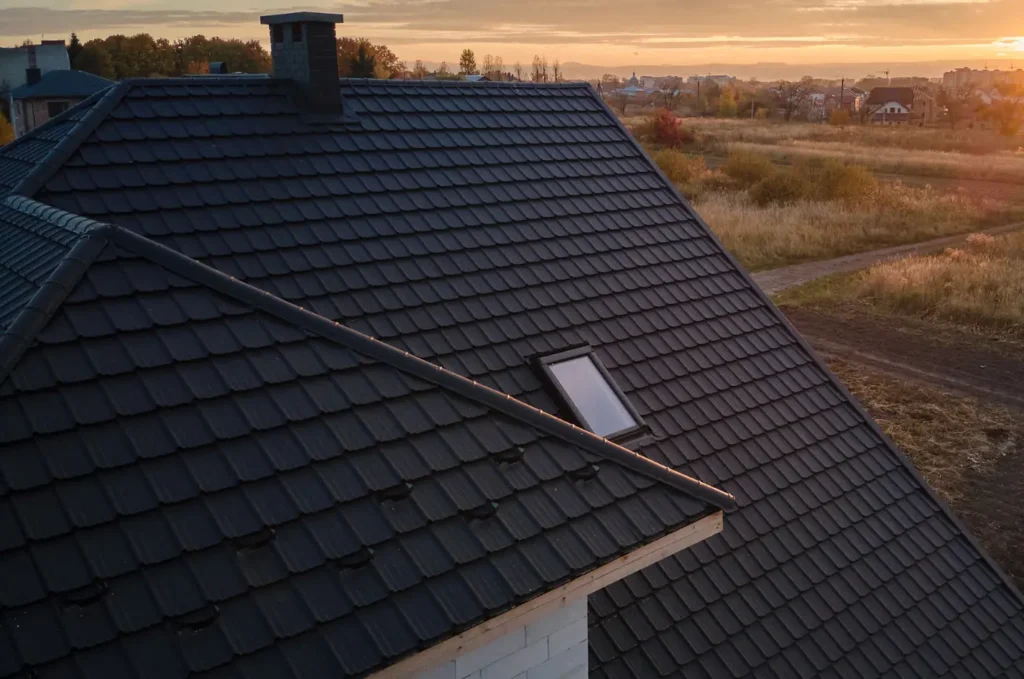
How Boston Roof Repair Specialists Catches Small Issues Early
We believe the best fix is the one you make before the damage spreads. Our roof inspection spots small roof issues you can’t see from the ground, so you can fix small issues while they’re still cheap and simple. Strong repairs, honest service, done right.
Don’t Wait for Small Problems to Grow
Small roof issues almost never fix themselves. Left alone, they spread beneath the surface and turn affordable repairs into major reconstruction. A lifted shingle, a bit of worn flashing, or a clogged gutter is your roof’s early warning. Listen to it.
The smartest move is simple: inspect your roof regularly and fix small issues fast. Early action protects your home, your comfort, and your wallet. In Boston’s tough climate, staying ahead of trouble is the best roof investment you can make.