What Does a Roof Inspection in Boston Include? 4 Main Steps
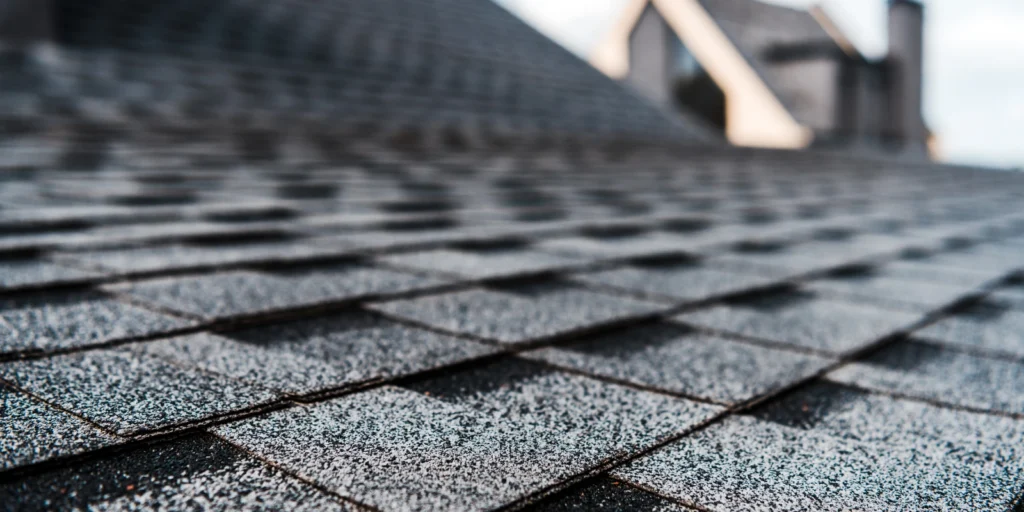
A complete roof inspection in Boston includes four parts: an exterior check of shingles and flashing, an interior check of the attic and ceilings, a structural review of the decking and framing, and a material assessment for your specific roof type. It ends with a written report and photos. A thorough inspection covers every part of the roof system, so nothing is left to guesswork.
If you’ve booked a roof inspection, you might be wondering what actually happens. Does the inspector just glance at your shingles from the driveway? Or do they dig deeper? The answer matters, because a rushed inspection can miss the hidden problems that cost you the most.
A proper roof inspection includes far more than a quick look at the surface. A truly thorough inspection covers every part of the roof system: the shingles, flashing, ventilation, attic space, gutters, and structural components. Even a roof that looks perfect from the street can hide lifted flashing, soft decking, or early water damage underneath.
Table of Contents
What Does a Roof Inspection Include?
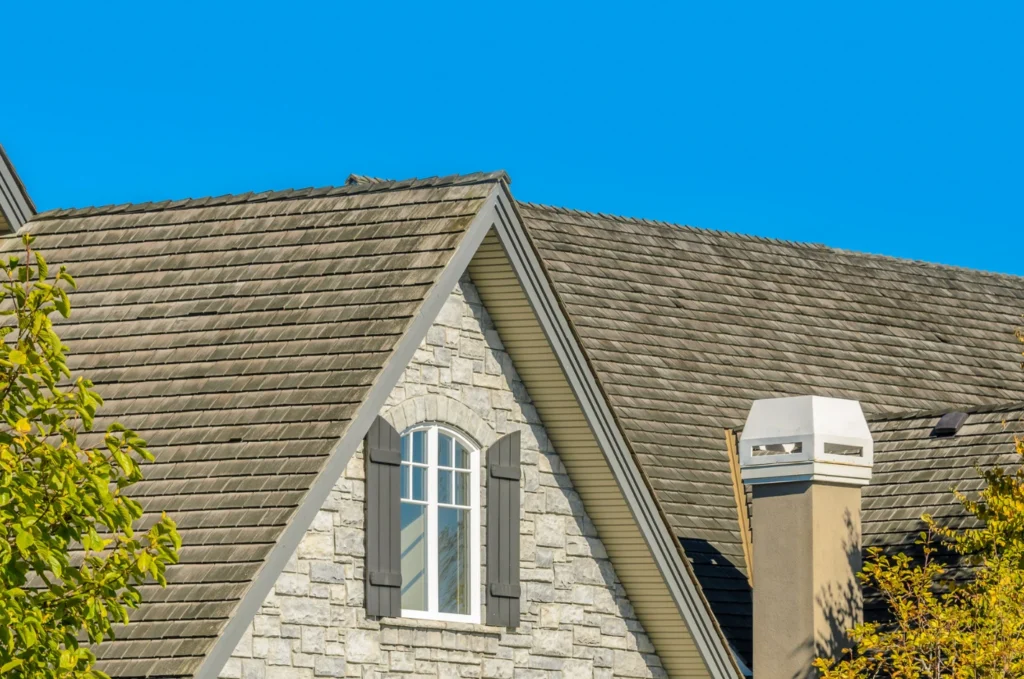
A roof inspection includes four main parts: an exterior assessment of the roof surface and flashing, an interior assessment of the attic and ceilings, a structural review of the decking and framing, and a material evaluation specific to your roof type. A complete inspection covers all four, then finishes with a documented written report.
Skipping any of these steps tells only half the story. A drone-only inspection shows surface wear but misses soft decking and attic ventilation problems. An inspection without attic access overlooks the very place leaks show up first. The best inspections combine all four parts for a true picture of your roof’s health.
Part 1: The Exterior Inspection
The exterior inspection examines everything on the outside of your roof for visible damage and wear. The inspector walks the perimeter, then gets a closer look at the surface, flashing, and drainage. This is where most obvious problems show up.
The exterior check covers:
- Roof surface: Missing, cracked, curling, or blistered shingles and granule loss
- Flashing: Rusted, bent, or separated metal around chimneys, vents, and skylights
- Penetrations: Worn rubber boots and cracked seals around pipes and vents
- Gutters and downspouts: Clogs, sagging, and granule buildup that signals shingle wear
- Chimney and soffits: Cracked mortar, rot, and blocked ventilation
Part 2: Why Does a Roof Inspection Include the Attic?
A roof inspection includes the attic because that’s where leaks and ventilation problems show up first. A roof leak doesn’t always appear as a ceiling drip, so the inspector checks the attic, ceilings, and interior walls for hidden water damage. This connects exterior damage to its interior effects.
Inside the attic, the inspector looks for water stains, mold, damp insulation, and daylight coming through the roof boards. These clues point to leaks that aren’t obvious from outside. An inspection that skips attic access only tells half the story, which is why a hands-on attic check is essential.
Part 3: The Structural Review
The structural review checks the bones of your roof: the decking, rafters, and trusses that support everything above. The inspector looks for sagging, soft spots, and wood rot that threaten your roof’s strength. This part matters most in Boston, where heavy snow loads test every roof.
Wood rot is a serious threat to structural integrity. The inspector checks whether the decking is firmly fastened to the rafters and looks for soft areas that flex under pressure. In a high-wind or heavy-snow climate like ours, a secure, solid structure is not optional. Catching weakness early prevents dangerous and expensive failures.
Part 4: Material Inspection by Roof Type
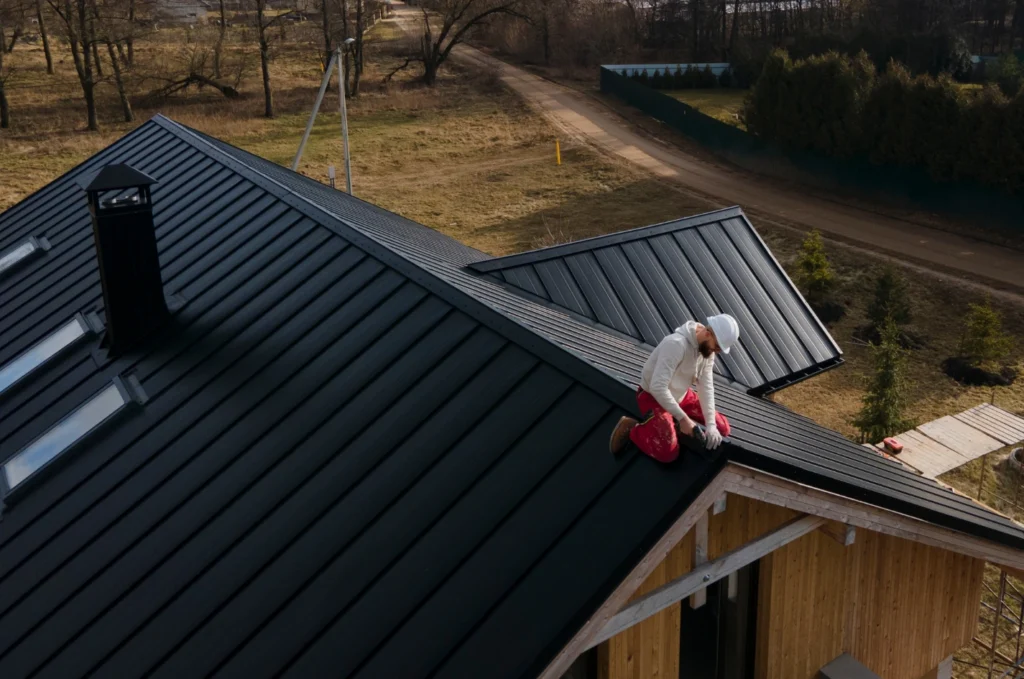
The material inspection focuses on the specific needs of your roof type, because an asphalt shingle roof, slate roof, rubber roof, and flat roof each wear differently. Matching the inspection to the material is how a pro spots problems a generic check would miss.
Asphalt Shingle Roof Inspection
An asphalt shingle roof inspection looks for curling, cracking, missing shingles, popped nails, and granule loss. The inspector checks the ridge and hip lines, the seals between shingles, and the gutters for granule buildup that signals aging. Asphalt is Boston’s most common roof, and it shows wear clearly when you know where to look.
Slate Roof Inspection
A slate roof inspection checks for cracked, broken, or slipped tiles and the condition of the fasteners holding them. Slate is common on Boston’s historic homes and lasts for decades, but individual tiles can fail. Because slate is fragile and dangerous to walk on, these inspections often rely on drones and ladder work rather than foot traffic.
Rubber Roof and Flat Roof Inspection
A rubber roof inspection and flat roof inspection focus on seams, membrane condition, and drainage. The inspector checks for punctures, separated seams, and ponding water that signals poor drainage. Flat and rubber roofs are common on Boston triple-deckers and commercial buildings, where standing water is the biggest threat.
What Do You Get After the Inspection?
After the inspection, you get a detailed written report with photos that documents your roof’s condition, the type and extent of any damage, the likely cause, and recommended next steps. This report is your most important tool, especially for insurance claims, warranty coverage, and planning roof repair or roof replacement.
A good report gives you the facts, not a sales pitch. It should clearly explain what was found, show it with photos, and recommend specific repairs. If an inspector gives only a quick verbal summary with no documentation, you have no proof of what was found. Always insist on a written report.
What Are the Different Roof Inspection Types?
The main roof inspection types are visual inspections, drone inspections, and detailed physical inspections, plus specialized checks like infrared moisture scans. Many quality inspections combine several methods. The right mix depends on your roof type, its height and pitch, and the reason for the inspection.
Common inspection types:
- Visual inspection: Hands-on check of the surface, attic, and structure
- Drone inspection: Safe aerial views, ideal for steep or fragile roofs like slate
- Infrared scan: Detects hidden moisture you can’t see with the eye
- Insurance inspection: Documents storm damage for a claim
What Boston Inspectors Pay Extra Attention To
Boston’s climate shapes what local inspectors focus on. A good Boston inspection prioritizes the damage our weather causes most.
Ice dam zones: With about 100 freeze-thaw cycles a year, inspectors look closely at the eaves and attic for ice dam damage that pushes water under shingles.
Storm and wind damage: Nor’easters with 50 to 70 mph winds lift shingles and tear flashing, so post-storm checks focus on these weak points.
Older and flat roofs: Triple-deckers and historic homes in Cambridge, Somerville, and Brookline often have flat or slate roofs that need specialized inspection.

Boston Roof Repair Specialists: Thorough Inspections, Every Roof Type
At Boston Roof Repair Specialists, our inspections cover all four parts, exterior, interior, structural, and material, for every roof type in Boston. We don’t cut corners or rely on a quick glance from the ground. You get the full picture, done right.
Know What to Expect from Your Inspection
A complete roof inspection in Boston includes the exterior, the attic, the structure, and your specific roofing material, finished with a clear written report. Now that you know what’s included, you can tell a thorough inspection from a quick once-over and make confident decisions about your roof.
Don’t settle for a glance from the driveway. Your roof deserves a full check, especially in Boston’s demanding climate.