Roof Inspection Boston Guide: Your Full Inspection Checklist
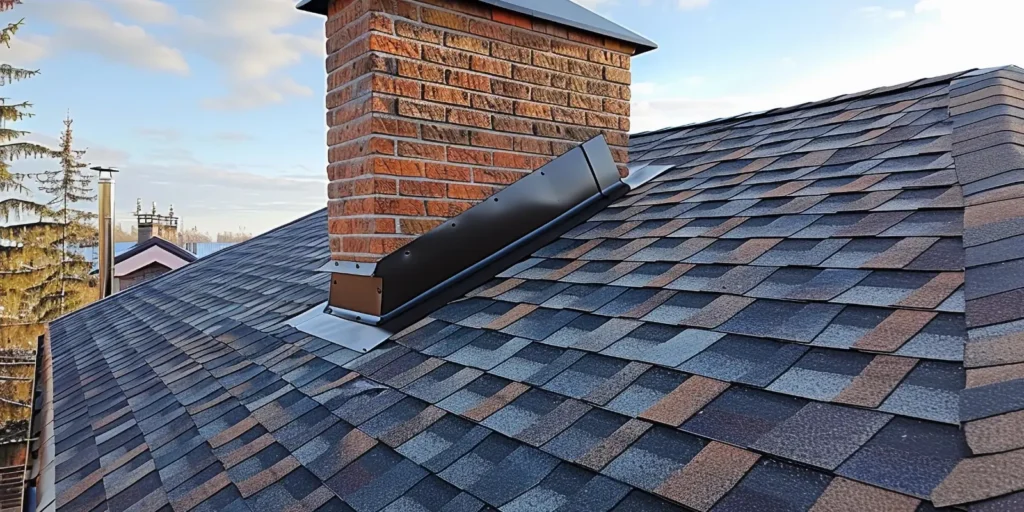
A roof inspection checks your shingles, flashing, gutters, vents, and attic for damage before it turns into costly repairs. In Boston, you should inspect at least once a year and after major storms. A professional roof inspection cost typically runs $100 to $500, though many local roofers offer it free. Use the checklist below, and call a pro for anything you can’t reach safely.
A roof inspection is the smartest, cheapest way to protect your home. Your roof takes a beating every day from sun, rain, wind, and snow, and most of the damage builds quietly. No alarms go off. By the time you see a water stain on the ceiling, the problem is already big.
Regular roof inspections catch small issues early, while they’re still simple and affordable to fix. They also keep your warranty valid, support insurance claims, and give you peace of mind during a home sale. In Boston’s tough climate, that early warning matters more than almost anywhere else.
Table of Contents
What Is a Roof Inspection?
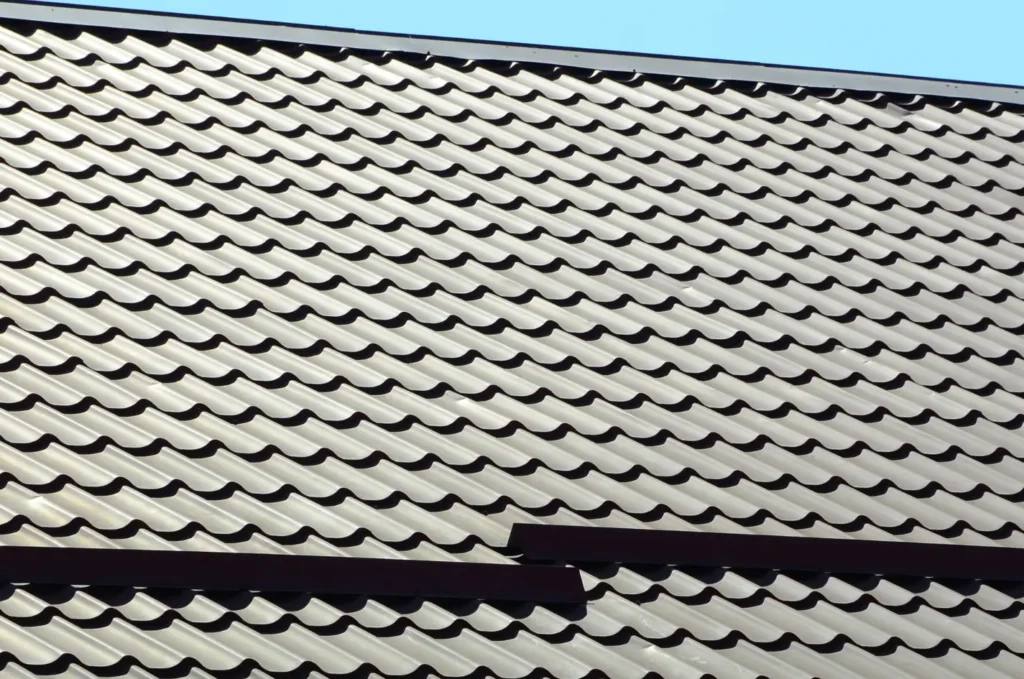
A roof inspection is a detailed review of your roof’s exterior, interior, and structure to find damage, wear, and weak spots before they cause leaks. A thorough inspection covers shingles, flashing, gutters, vents, and the attic. This systematic approach makes sure no critical warning sign gets missed.
Even a roof that looks fine from the street can hide real damage. A surface that appears solid may have lifted shingles, cracked flashing, or soft decking underneath. That’s why a careful, top-to-bottom check beats a quick once-over every time.
How Often Should You Inspect Your Roof in Boston?
You should inspect your roof at least once a year, ideally in spring or fall, plus an extra check after any major storm. Boston’s hailstorms, high winds, and heavy snow can damage a roof quickly, so post-storm inspections are especially important here. Fall checks help you catch problems before winter makes repairs harder.
Spring inspections reveal damage from winter ice and snow. Fall inspections & maintenance prepare your roof for the cold months ahead. After a nor’easter or heavy snowfall, a quick check helps you spot lifted shingles or flashing damage before they turn into leaks.
Exterior Roof Inspection Checklist
The exterior check covers everything on the outside of your roof. Start from the ground with binoculars, then move closer only if you can do it safely. Here’s what to look for.
Shingles and roof surface:
- Missing, cracked, curling, or blistered shingles
- Bare spots where granules have worn away
- Loose or popped nails
- Moss, algae streaks, or mold growth
Flashing and penetrations:
- Bent, rusted, or separated flashing at chimneys, vents, and skylights
- Cracked or dried caulking and sealant
- Worn rubber boots around vent pipes
Gutters and drainage:
- Clogged, sagging, or loose gutters
- Excess shingle granules in the gutters (a sign of aging shingles)
- Downspouts that direct water at least six feet from the foundation
Structure and extras:
- Sagging or dipping along the roofline
- Cracked chimney bricks or crumbling mortar
- Debris buildup in roof valleys
Interior and Attic Inspection Checklist
A real inspection doesn’t end outside. The attic often reveals the true condition of your roof. Grab a flashlight and check during daylight, when leaks and gaps are easier to spot.
- Water stains: Brown or yellow marks on the ceiling, walls, or decking
- Daylight: Light shining through the roof boards
- Damp insulation: Wet or matted insulation that signals a leak
- Mold or mildew: Growth or musty smell on wood surfaces
- Wood rot: Soft or sagging rafters, trusses, or decking
- Ventilation: Adequate airflow so heat and moisture don’t build up
How Much Does a Roof Inspection Cost?
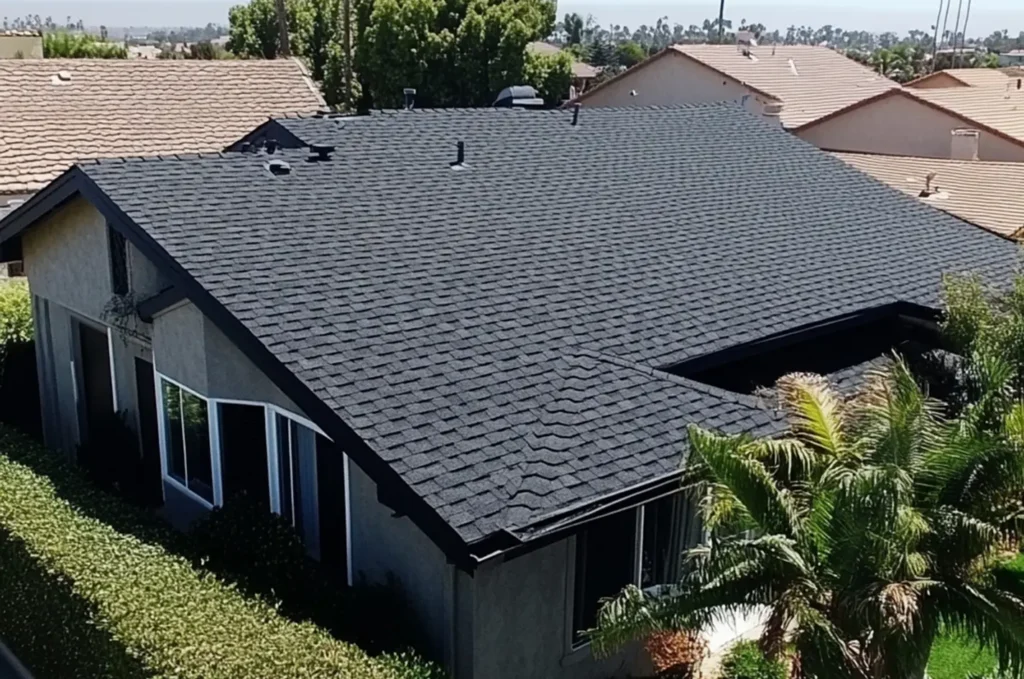
A professional roof inspection cost typically ranges from $150 to $500, with larger or more complex roofs reaching $1,000 or more. Many roofing companies offer free inspections, especially when you’re considering repairs. Some waive the fee if you move forward with recommended work.
Cost depends on roof size, height, pitch, and the type of inspection. A basic visual check costs less than a detailed report with drone imaging or moisture detection. For a residential roof inspection in Boston, the investment is small compared to the thousands you save by catching damage early.
Our drone roof inspection is completely free, with no pressure and no hidden fees. You get a clear, honest assessment of your roof’s true condition.
Do You Need a Roof Inspection for Insurance?
Yes, a roof inspection for insurance is often required to file a claim, renew a policy, or document storm damage. Insurers want proof of your roof’s condition and clear evidence of any damage. A professional inspection report with photos gives you the documentation you need for a smooth claim.
After a nor’easter or heavy snow, an inspection records the damage while it’s fresh. This protects you if you need to file a claim later. Insurers may also require an inspection before renewing coverage on an older roof. Keeping documented inspection records helps you stay eligible and avoid disputes.
Should You Inspect the Roof Yourself or Hire a Pro?
You can do a basic visual inspection yourself from the ground and check your attic for interior signs of damage. But you should hire a professional for a full inspection, especially if your roof is steep, you’re uncomfortable with heights, or you suspect real damage. Pros have the training and tools to catch problems you’d miss.
Climbing onto a roof is dangerous, particularly on Boston’s steep triple-deckers and historic homes. Certified inspectors use drones, moisture meters, and experience to find hidden issues. If you spot anything concerning during your own check, that’s your cue to call a roof inspection service.
Why Boston Roofs Need Special Attention
Boston’s climate puts unique stress on roofs, so local inspection priorities differ from milder regions. Here’s what matters most here.
Ice dam damage: With about 100 freeze-thaw cycles a year, ice dams form at cold eaves and push water under shingles. Spring inspections should focus closely on the eaves and attic for ice dam damage.
Storm and wind damage: Nor’easters bring 50 to 70 mph winds that lift shingles and tear flashing. A post-storm inspection catches this damage before the next rain finds the gap.
Older home challenges: Historic brownstones, triple-deckers, and homes in Cambridge, Somerville, and Brookline often have aging flat roofs and worn flashing that need a trained eye to assess.
Boston Roof Repair Specialists: Drone Roof Inspections in Boston
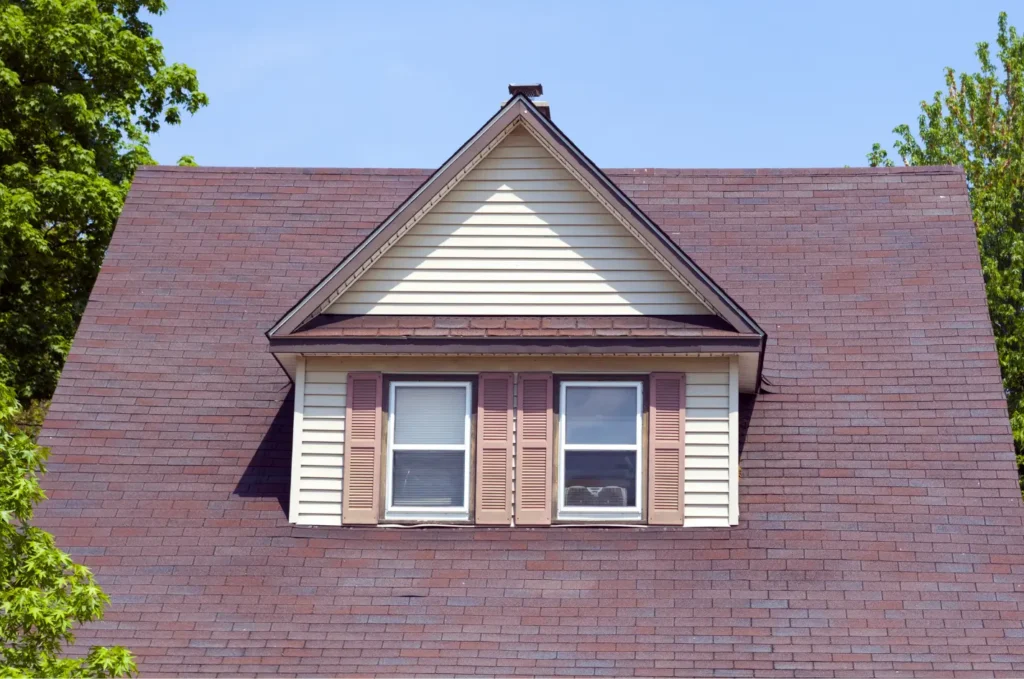
At Boston Roof Repair Specialists, we’ve inspected roofs across Boston’s brownstones, triple-deckers, and modern homes, so we know what heavy snow, coastal winds, and freeze-thaw cycles really do to local roofs.
Protect Your Home with a Regular Roof Inspection
A roof inspection is a small step that prevents big, expensive problems. Use this checklist to spot trouble early, inspect at least once a year and after storms, and call a professional for anything you can’t safely reach. Early detection saves your roof, your home, and your money.
In Boston’s demanding climate, staying ahead of damage is the best investment you can make in your roof. Don’t wait for a leak to tell you something’s wrong.