Slate Roof Repair: Common Problems & Expert Solutions for 2025
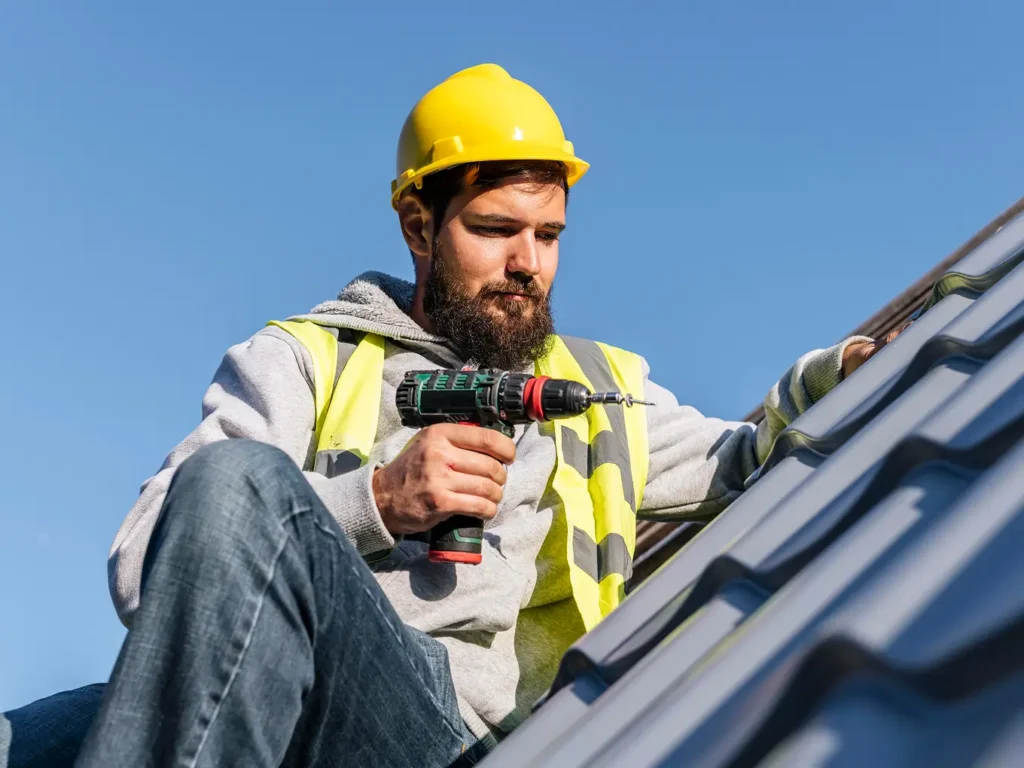
There’s something special about slate roofs; the timeless elegance,gracefully ages over time, and that satisfying knowledge that your roof will probably outlast your mortgage, 80 years or more. But even the most durable slate roofs can create problems over time.
The good news is most slate roof issues are repairable, and catching them early can save you from bigger issues for the future. Boston Roof Repair can easily maintain your roof & save your time. Let’s see what goes wrong with slate roofs and how to fix it.
Common Slate Roof Problems That Need Repair
Broken or Cracked Tiles
This is probably the most visible issue you can see. A fallen tree branch, or an aggressive hailstorm, or even someone’s step can crack slate tiles. While slate is incredibly strong against the elements, it’s surprisingly fragile when it comes to direct impact.
One broken tile might not leak immediately, but it creates a weak point in your roof. Water can gradually work its way underneath, potentially damaging the underlayment or even the roof decking.
Slipped or Missing Tiles
Walking around your property and notice a slate tile in the garden that definitely shouldn’t be there? Slipped tiles are a common problem, especially on older roofs. The copper nails or hooks that hold slate in place can deteriorate over time, particularly if moisture has been getting where it shouldn’t.
Sometimes tiles slip out of position without falling completely. These are actually more dangerous than missing tiles because they’re harder to spot during a casual inspection, but they’re still letting water through.
Leaks and Water Damage
Not all leaks announce themselves with dramatic ceiling stains. Sometimes water infiltration is subtle, slowly damaging your attic insulation or wooden structures before you even notice. Slate roof leaks typically happen around vulnerable areas; valleys, edges, or anywhere the roof plane changes direction.
The underlayment beneath your slate provides a critical backup layer of protection, but it has a shorter lifespan than the slate itself. When it fails, you’ll need repairs even if your slate tiles are still in perfect condition.
Deteriorating Flashing
Flashing is the hero of your roofing system; those metal strips around chimneys, skylights, and where your roof meets walls. While quality copper flashing can last for generations, it still wears out faster than the slate itself. Cracked, corroded, or improperly installed flashing is one of the most common culprits behind slate roof leaks.
Failed Fasteners
The copper nails or hooks holding your slate tiles in place are doing heavy lifting. Natural slate can weigh 8-10 pounds per square foot. Over decades of temperature changes, moisture exposure, and the simple forces of gravity and wind, even the best fasteners can fail. When they do, tiles start slipping or falling.
When to Repair vs Replace Your Slate Roof
Here’s where you need to think strategically. Slate roofs can last 75 to 200 years depending on the quality of slate used, so replacement isn’t always the answer, even when problems seem significant.
Repair makes sense when:
- Damage is isolated to specific areas rather than widespread
- Your slate still has at least 15-20 years of life remaining
- Less than 30% of your roof is affected
- The underlying structure is sound
Replacement becomes necessary when:
- Your roof is approaching or has exceeded its expected lifespan
- You’re seeing signs of slate at its end-of-life: flaking surfaces, powdery texture, or that dull “thud” sound when you tap it
- Structural issues exist beyond just the roofing material
- You find yourself scheduling repairs repeatedly for different sections
One helpful test: If you can access your attic safely, look at the underside of your slate tiles. Extensive powdering or flaking on the underside indicates the slate has become porous and is nearing the end of its useful life.
Finding the Right Slate Roof Repair Professional
The installation techniques, proper materials, and understanding of how slate behaves differently from modern roofing materials require specialized knowledge and experience.
Boston Roof Repair contractors are members of professional organizations like the Slate Roof Contractors Association (SRCA), the National Slate Association (NSA), or the National Roofing Contractors Association (NRCA). These memberships indicate serious commitment to proper slate roofing techniques.
With slate repair, quality workmanship matters more than saving a few hundred dollars upfront. A botched repair can cause more damage than the original problem.
The Importance of Regular Inspections
The single best thing you can do for your slate roof is schedule regular professional inspections, ideally twice a year, in spring and fall. Spring inspections catch any winter damage before summer storms roll in, while fall inspections prepare your roof for the challenging winter months ahead.
An experienced slate roofer can spot problems which you have never noticed: signs of fastener failure, minor cracks that haven’t leaked yet, flashing that’s beginning to deteriorate, or underlayment issues visible from the attic.
When you catch these issues early, you get less expensive repairs. It means your slate roof continues protecting your home for generations.